/Logos/SupplyKick_Logo.svg "SupplyKick_Logo")


Hrag Kalebjian spent months trying to launch Henry’s House of Coffee on Amazon. He knew the marketplace could expand their reach beyond the Bay Area. He had a DTC site already doing 1,400 orders per month. But every time he tried to set up Seller Central, he hit a wall.
The expiration date rules made no sense. Do you use the roast date? The best-by date? Can you make it up? He asked Amazon Seller Support. They sent him a link. The link sent him back to where he started.
He needed to know what FBA shipping would cost so he could calculate margin. The answer was buried somewhere in Amazon’s documentation. He couldn’t find it.
He saw successful coffee brands on Amazon with clean Storefronts and hundreds of reviews. He wasn’t a designer. He didn’t have time to learn.
After months of research, Hrag Googled “Amazon seller consultant” and found SupplyKick. The next day he had a call scheduled. No hard sell. Just: what are your goals, what’s stopping you, and can we help?
He decided to take the dive.
The Problem: Consumables Are Hard, and Amazon Seller Support Doesn’t Answer Real Questions
Henry’s House of Coffee has been roasting in San Francisco since 1965. Hrag’s father bought the business in 1983. Hrag joined in 2013 after a decade in corporate finance, rebranded around family and tradition, and launched a DTC site in 2014.
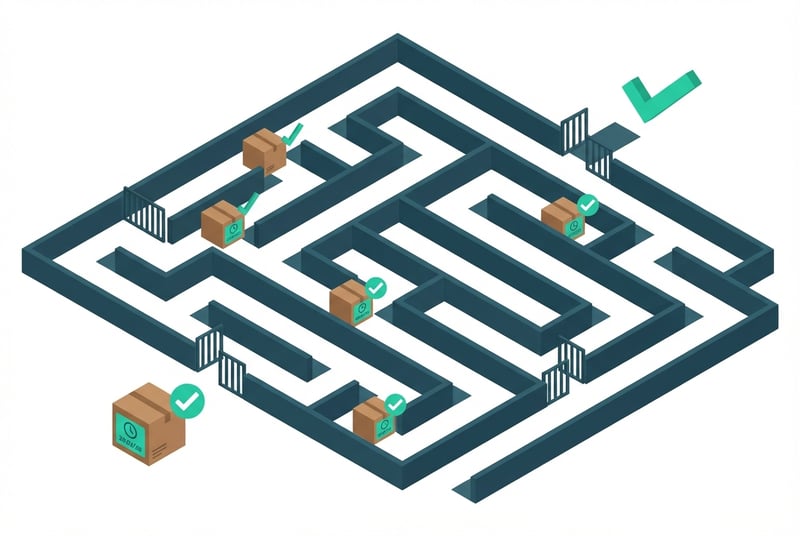
By 2015, he wanted to go national. Amazon was the obvious channel. But selling consumables on Amazon is different than selling phone cases or dog toys.
The expiration dating problem: Amazon has strict compliance rules for products with expiration dates. Coffee doesn’t spoil like milk, but it does go stale. Hrag needed to know: what date goes on the label? How far out can the expiration date be? What happens if Amazon rejects the shipment because the date is formatted wrong?
He searched Amazon’s help docs. He contacted Seller Support. He got links to pages he’d already read. No one gave him a straight answer.
The logistics cost problem: Hrag knew his product costs. He knew the margin he needed. But FBA fees are variable, and shipping to Amazon’s fulfillment centers depends on weight, dimensions, and destination. He couldn’t calculate profitability without knowing what it would actually cost to ship a case of coffee to an Amazon warehouse.
The FBA application problem: Selling FBA requires an application. Hrag didn’t know what information he needed, how long it would take, or whether Henry’s House of Coffee would even qualify.
The Storefront problem: Amazon Storefronts are the difference between “random coffee brand” and “this is a real business I can trust.” Hrag saw competitors with polished Storefronts that told a story, featured their full product line, and included customer reviews. He had no idea how to build one.
He had a business to run. A physical shop to manage. Vendor relationships to maintain. He couldn’t afford to spend six months learning Amazon’s platform just to launch four SKUs.
The Solution: An Agency That Actually Walks You Through the Operational Work
SupplyKick’s first move wasn’t to launch ads or improve listings. It was to solve the operational blockers that kept Henry’s House of Coffee from launching at all.
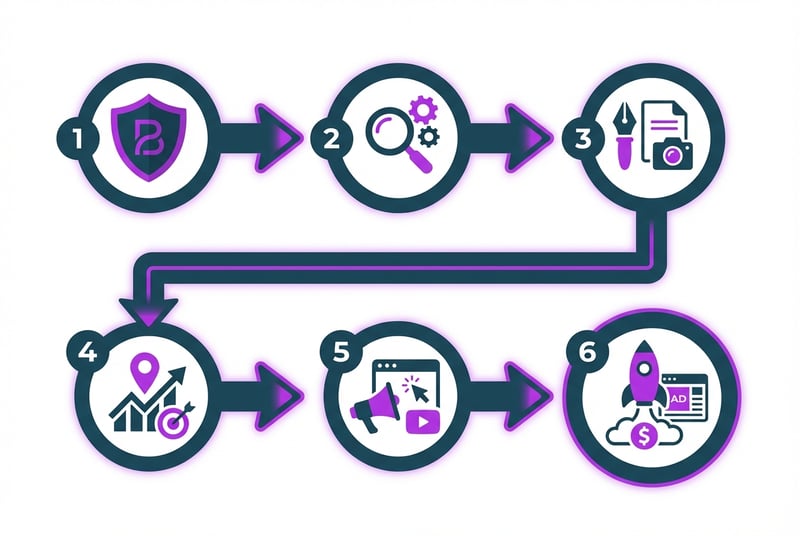
Step 1: Brand Registry. Henry’s House of Coffee had a registered trademark. SupplyKick filed the Brand Registry application on their behalf. Brand Registry unlocks Storefronts, A+ Content, and better control over product listings. It’s also required for Sponsored Brands ads.
The application takes time, but it’s not complicated if you know what Amazon wants. SupplyKick handled it.
Step 2: Expiration Dating Compliance. SupplyKick explained Amazon’s expiration date rules in plain language. Coffee needs a best-by date at least 90 days out from the date it arrives at Amazon’s warehouse. The date has to be printed in a specific format, in a specific font size, in a specific location on the package.
Hrag’s team adjusted their labeling process. SupplyKick reviewed the packaging to make sure it would pass inspection.
Step 3: FBA Application and Logistics Setup. SupplyKick walked Hrag through the FBA seller application. Once approved, they set up the first shipment: how to create shipping labels, which fulfillment center to send to, how to pack the cases, what the freight cost would be.
FBA eligibility meant Prime shipping, which cut Hrag’s shipping costs, boosted organic rank, and made the product eligible for Subscribe & Save.
Step 4: Variation Grouping. Henry’s House of Coffee had four coffee varieties: Bella Finca, Henry’s Blend, Ethiopian Harrar, and Armenian Coffee. SupplyKick recommended consolidating them into one product listing with four variations.
Why? Because when a customer lands on one variation, they see the other three options on the same page. Reviews accumulate on the parent listing, not split across four separate pages. Inventory management gets simpler. Advertising budget is concentrated on one ASIN instead of spread across four.
It’s a small structural change that makes a big difference.
Step 5: Storefront Design. SupplyKick built a branded Storefront that kept Henry’s House of Coffee’s family story front and center. The homepage featured the San Francisco shop, the three-generation roasting tradition, and the product lineup. The design matched their DTC site so the brand experience stayed consistent across channels.
Step 6: Sponsored Ads Launch. Once the listings were live, the Storefront was built, and inventory was in Amazon’s warehouse, SupplyKick launched Sponsored Products ads. The strategy: bid on high-intent coffee keywords, drive traffic to the variation listing, and let Prime eligibility and strong reviews do the rest.
What Changed Operationally
Hrag no longer spends time figuring out Amazon compliance. He doesn’t have to chase down Seller Support for answers that never come. He doesn’t have to learn how to design a Storefront or calculate FBA fees.
His weekly check-ins with his SupplyKick Account Manager are data-driven: what’s working, what’s not, what to test next. When he has a logistics question or wants to run an idea by someone who knows Amazon, he emails his team. He gets an answer the same day.
The agency partnership freed him up to run his business instead of learning a platform.
What’s Next: Scaling to 300 Bags Per Week
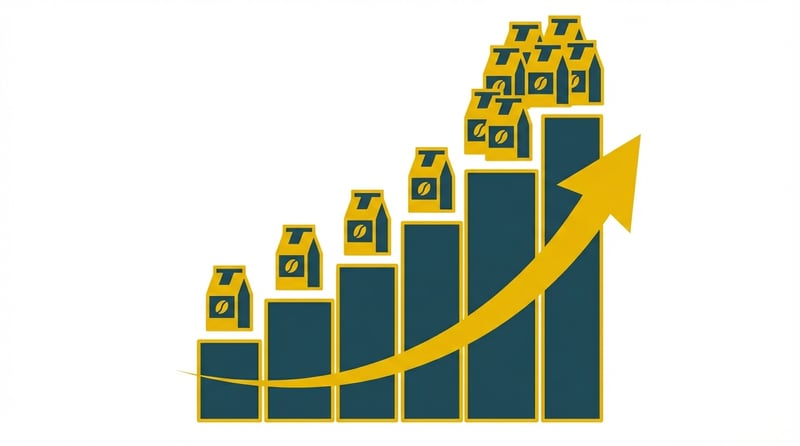
Henry’s House of Coffee currently sells around 300 bags of coffee per week on Amazon. That’s the next milestone. The coffee category is crowded. It takes constant attention to stay at the top of search results.
SupplyKick is focused on refining the ad strategy, testing new keywords, and improving the product listings to boost conversion. The variation setup is working. The Storefront is converting. Prime eligibility is driving organic rank.
The infrastructure is in place. Now it’s about execution.
When “Just Google It” Doesn’t Work
Most brands hit Amazon thinking they can figure it out. And if you’re selling something simple with no expiration date, no variation setup, and no Storefront requirements, maybe you can.
But if you’re selling consumables, or launching a multi-SKU product line, or trying to build a brand presence on Amazon (not just list products and hope), the learning curve is steep. Seller Support won’t help. The documentation is scattered. The platform changes constantly.
An agency partnership isn’t about handing over your Amazon account and hoping for the best. It’s about working with people who have done this hundreds of times, who know what Amazon actually requires (not what the help docs say), and who can solve the operational problems that keep you from launching.
For Henry’s House of Coffee, that meant going from “I can’t figure this out” to “we’re live, we’re selling, and I have time to focus on the business.”
Ready to Stop Figuring Out Amazon Alone?
See what an agency partnership looks like for brands selling consumables, multi-SKU lines, and competitive categories.
Connect With Our Team →
/Logos/SupplyKick/SupplyKick-Logo_White.svg "SupplyKick-Logo_White")