/Logos/SupplyKick_Logo.svg "SupplyKick_Logo")


Cracking the code of Amazon’s advertising platform can be the difference between blending in and breaking out as a top brand. While the system may seem complex at first glance, mastering how Amazon ads work opens the door to greater product visibility, higher conversion rates, and accelerated marketplace growth. In this guide, we’ll unpack the mechanics of Amazon ads, explain the cost structure, and provide actionable insights for brand leaders looking to maximize their advertising impact. Whether you’re just starting out or aiming to fine-tune your campaigns, you’ll find the clarity and strategies you need to get ahead.
What are Amazon ads and how do they work?
If you’re asking, “What is Amazon ads?”—think of them as the engine behind product discovery on the marketplace. Amazon ads are paid placements that help brands and sellers increase visibility, drive sales, and capture demand directly on Amazon’s platform. The main ad types include:
- Sponsored Products: Appear in search results and product pages, promoting individual listings
- Sponsored Brands: Feature your brand logo and multiple products at the top of search results
- Sponsored Display: Retarget shoppers both on and off Amazon with display ads
- Amazon DSP: Reach audiences on and off Amazon through programmatic display and video ads
Each format serves a different purpose, but all are designed to help brands stand out, win the Buy Box, and accelerate growth. As a verified Amazon Ads partner, SupplyKick has managed campaigns across every ad type, delivering an average 60% increase in conversion rate for our partners. Our expertise, combined with AI-powered account management, ensures your investment delivers measurable results. If you're still asking what's with Amazon ads and all these formats, our guide to paid advertising on Amazon walks through each ad type, typical costs, and PPC strategy.
Amazon’s ad ecosystem is uniquely positioned because it leverages first-party shopping data, enabling brands to reach high-intent audiences at the exact moment they’re ready to purchase. This data-driven approach means that campaigns can be optimized in real time, allowing for rapid adjustments based on performance signals. The ability to target by keyword, product, or even shopper behavior gives brands a granular level of control that’s rarely matched on other platforms. Additionally, proactive compliance and brand protection features—such as listing hijack monitoring and automated case raising—help safeguard your ad investments and ensure your brand messaging remains consistent and secure.
For a broader look at how advertising fits into your overall approach, see Amazon Marketing Strategy.
How do Amazon ads work?
At the core of Amazon’s advertising platform is an auction and bidding system. When a shopper enters a search, Amazon instantly runs an auction to determine which ads appear—and where. You set a maximum bid for clicks on your ads; Amazon weighs your bid alongside ad relevance, product performance, and customer experience metrics to decide if your ad shows up.
Here’s what brand owners need to know before spending a dollar:
- Bidding is competitive: You’re not just competing on price, but also on relevance and quality. Higher-performing products and well-optimized listings often win.
- Ad placement is dynamic: Your ad’s position can change based on real-time auctions for every search.
- SEO and ads work together: Strong organic rankings improve ad performance, and vice versa. Investing in both multiplies your visibility and sales potential.
For those searching “How do amazon ads work reddit,” the consensus is clear: you need a strategy, not just a budget. Brands that treat ads as a set-it-and-forget-it channel often waste spend. Success comes from ongoing optimization, cross-account insights, and proactive monitoring—areas where SupplyKick leads with proven results.
A major advantage of Amazon’s system is the transparency and granularity of reporting. Brands can access real-time dashboards that provide instant feedback on performance metrics such as ACoS (Advertising Cost of Sale), ROAS (Return on Ad Spend), and conversion rates. With the integration of intelligent agents, reporting and analytics are accelerated—delivering actionable insights up to 80% faster than manual methods. This empowers decision-makers to make informed adjustments quickly, minimizing wasted spend and maximizing campaign efficiency. The platform’s flexibility also allows for rapid scaling or pivoting of campaigns in response to shifting market trends or inventory constraints.
To better understand how optimizing your product listings can boost both organic and paid performance, check out Amazon Listing Optimization Services.
How do Amazon ads work for beginners?
If you’re new to Amazon advertising, launching your first campaign is more accessible than ever. Here’s a simple, step-by-step overview:
- Choose your ad type (most start with Sponsored Products)
- Select the products you want to promote
- Set your daily budget and bid amount
- Pick targeting options (automatic or manual keyword targeting)
- Launch your campaign and monitor performance
Common beginner mistakes to avoid:
- Ignoring campaign structure: Don’t lump all products into one campaign; segment for better control.
- Neglecting negative keywords: Prevent wasted spend by excluding irrelevant searches.
- Set-and-forget mentality: Regular optimization is key—adjust bids, test creatives, and review reports frequently.
For frustrated shoppers wondering how to turn off Amazon ads, you can adjust your ad preferences in your Amazon account settings. But for brands and sellers, the focus should be on delivering relevant, high-quality ads that enhance—not disrupt—the shopping experience.
Beginners benefit from leveraging AI-powered agents that can automatically surface optimization opportunities, flag underperforming campaigns, and suggest bid adjustments based on real-time data. This technology reduces the learning curve and ensures that even first-time advertisers can avoid common pitfalls, such as overspending on low-converting keywords or missing out on valuable search terms. Additionally, a collaborative agency model—where experts act as an extension of your team rather than taking full control—lets brand owners retain visibility and decision-making power while tapping into proven expertise.
For more on the fundamentals of optimizing your Amazon presence, see What does listing optimization mean?.
How much does it cost for an Amazon ad?
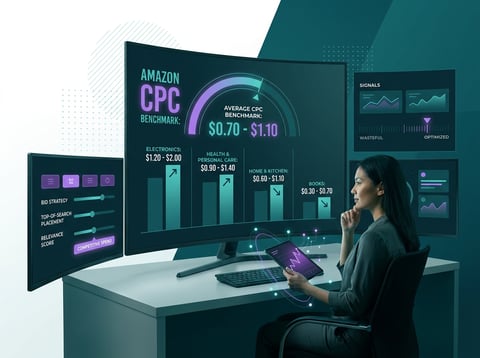
Amazon advertising uses a cost per click (CPC) model: you only pay when someone clicks your ad. Costs vary widely based on:
- Product category competition
- Targeted keywords’ demand
- Ad type (Sponsored Products vs. DSP, etc.)
- Seasonality and market trends
Typical CPCs on Amazon range from $0.20 to $3.00+, but high-competition categories can exceed this, with averages around $0.98 across all categories (canopymanagement.com). Results depend on your strategy and optimization. At SupplyKick, we’ve managed campaigns with every budget size, leveraging AI agents and cross-account insights to maximize ROI and minimize wasted spend.
To boost your return and avoid costly mistakes:
- Focus on high-converting keywords and products
- Regularly review search term reports and adjust bids
- Use real-time dashboards and proactive alerts for smarter decisions
Curious about how to make your ad dollars go further? Discuss your Amazon advertising strategy with SupplyKick.
Brands should also consider the long-term value of investing in proactive compliance and brand protection. By monitoring for listing hijacks and quickly raising cases when issues arise, you can protect your ad spend from being undermined by unauthorized sellers or suppressed listings. This level of vigilance, paired with a flexible partnership model that allows you to retain control over inventory, pricing, and messaging, ensures that your advertising investment is both efficient and secure.
If you want a deeper breakdown of Amazon ad costs, see How much does it cost to promote a product on Amazon?.
How much is it to advertise on Amazon Prime Video?
Advertising on Amazon Prime Video is a different game than standard Amazon ads. Here’s what sets it apart:
- Ad formats: Video ads (pre-roll, mid-roll, display overlays)
- Targeting: Audience-based, leveraging Amazon’s rich first-party data
- Pricing: Typically CPM (cost per thousand impressions), not CPC. Rates can range from $20 to $50+ CPM depending on targeting and inventory (quartile.com).
Prime Video ads offer unique brand-building opportunities, but require a larger budget and a more advanced approach. If you’re considering this emerging channel, SupplyKick can help you navigate the options and integrate Prime Video into your broader Amazon Marketing efforts.
What should brand owners know before advertising on Amazon?
Before investing in Amazon ads, keep these key takeaways in mind:
- Understand the main ad types and which align with your goals
- Know the cost structure—CPC for most ads, CPM for video
- Recognize that expertise and ongoing optimization are essential for ROI
SupplyKick’s credentials set us apart: we’re a verified Amazon Ads partner, manage campaigns across every ad type, and deliver an average 60% increase in conversion rates for our partners. For a deeper dive, explore our Amazon Marketing pillar page, our Amazon Marketing Strategy sub-pillar, or our advertising services.
Ready to unlock the full potential of your brand on Amazon? Start implementing these proven marketing strategies today to boost your visibility and drive more sales. Let’s talk about your Amazon advertising strategy. Subscribe to our blog for expert tips and stay ahead in the ever-evolving world of Amazon marketing!


/Logos/SupplyKick/SupplyKick-Logo_White.svg "SupplyKick-Logo_White")