/Logos/SupplyKick_Logo.svg "SupplyKick_Logo")


Launching a new product or scaling your brand on Amazon is about more than just listing an item and waiting for sales to roll in. The real challenge lies in making your product stand out in a crowded marketplace—and that means investing in Amazon’s powerful advertising ecosystem. But how much does it actually cost to promote a product on Amazon? Whether you’re new to Amazon or looking to refine your ad strategy, this guide unpacks the true costs, demystifies Amazon Marketing, and offers expert insights to help you maximize every advertising dollar.
Can you pay Amazon to promote your product?
Yes, you can pay Amazon directly to promote your products through a robust suite of advertising tools built into Seller Central and Vendor Central. These options are designed for brands and sellers who want to boost visibility, drive sales, and win the Buy Box—not for affiliates or influencers looking to get paid to promote someone else’s products.
Here’s how to advertise on Amazon Seller Central:
- Sponsored Products: Promote individual listings within Amazon search results and product pages. This is the most accessible ad type for most third-party sellers.
- Sponsored Brands: Feature your brand logo, custom headline, and a selection of products at the top of search results—ideal for brand-building and portfolio awareness.
- Sponsored Display: Reach shoppers on and off Amazon with display ads that retarget or prospect based on shopping behavior.
- Amazon DSP: Programmatic advertising for advanced targeting across Amazon’s ecosystem and external sites, typically used by larger brands and vendors.
All these options allow you to set your own budget, bid on placements, and track results in real time. If you’re researching how to advertise on Amazon Seller Central, these are your core tools for paid promotion.
A key advantage for brands using Amazon’s paid promotion tools is the ability to leverage real-time data and AI-driven insights for campaign optimization. With intelligent agents monitoring your account 24/7, you can identify high-performing keywords, adjust bids dynamically, and respond instantly to shifts in shopper behavior—all of which help control costs and improve outcomes.
What types of promotional tools does Amazon offer for sellers looking to boost their products?
Amazon offers a range of advertising solutions, each tailored to specific goals and available to different seller types:
- Sponsored Products: Best for immediate sales and product launches; available to both third-party sellers and vendors.
- Sponsored Brands: Ideal for driving brand awareness and cross-selling; unlocks custom creative and Storefront traffic.
- Sponsored Display: Great for retargeting shoppers who viewed your products or similar items; helps recover lost sales.
- Amazon DSP: Advanced, data-driven campaigns that reach audiences both on and off Amazon; typically requires a higher budget and is often managed by agencies or vendors.
Each ad type has unique benefits:
- Sponsored Products are pay-per-click (PPC) and easy to launch.
- Sponsored Brands elevate your brand presence and help with top-of-funnel awareness.
- Sponsored Display is powerful for retargeting and defending product detail pages.
- Amazon DSP offers deep audience targeting and is best for brands seeking scale.
At SupplyKick, we’ve managed campaigns across all these ad types for hundreds of brands. If you want to see how these strategies can work for your business, explore our Amazon advertising services.
For brands looking to maximize the impact of these tools, integrating proactive compliance and brand protection measures is essential. Automated listing hijack monitoring and case auto-raising can help safeguard your promotional investments by ensuring your ads always point to authentic, in-stock listings. This reduces wasted ad spend and protects your Buy Box position, especially during high-traffic periods.
For a broader look at how these tactics fit into your overall marketplace approach, see Amazon Marketing Strategy.
How much does it cost to promote an item on Amazon?
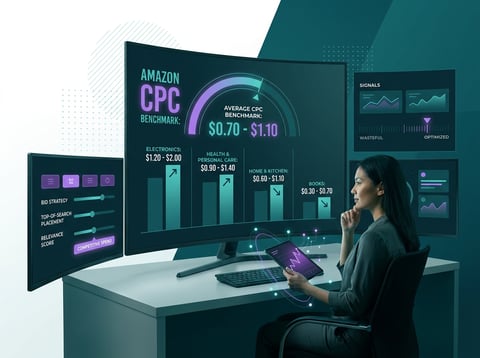
Let’s address the core question: How much does it cost to promote a product on Amazon? The answer is: it depends. Amazon PPC cost is based on a cost-per-click (CPC) auction, where you pay only when someone clicks your ad. Here’s what you need to know:
- CPC Ranges: Typical costs per click can range from $0.50 to $3.00+, depending on category, competition, and seasonality.recent Amazon PPC benchmarks show that even within Sponsored Products, low-competition niches average as low as $0.50–$1.20, while high-competition categories can push CPCs well above $2.50.
- Minimum Budgets: While you can technically set daily budgets as low as $1, meaningful results usually require at least $500–$1,500/month, depending on your goals and category.
- Other Fees: Beyond ad spend, Amazon also takes referral fees, FBA fees, and may charge for premium placements (especially with DSP).
- Cost Drivers: Your total investment will be influenced by:
- Competition for your primary keywords
- Seasonality (Q4, Prime Day, etc.)
- Ad type (Sponsored Products are generally less expensive than DSP)
- Campaign structure and optimization
It’s important to note that many agencies charge a percentage of your ad spend, which can incentivize overspending. SupplyKick’s transparent retainer pricing means our incentives are aligned with your profitability—not just your ad budget. You’ll always know what you’re paying, with no surprises.
For a deeper dive into campaign mechanics, see How do Amazon Ads work?.
Brands seeking to optimize their promotional spend should also consider leveraging cross-account insights and best-practice patterns from multiple categories. Drawing on performance data from a broad portfolio enables more accurate inventory forecasting and smarter allocation of ad budgets, especially when entering new categories or scaling up for seasonality.
For more on optimizing your product listings to support your ad spend, check out Amazon Listing Optimization Services.
How much do Amazon ads cost for books?
Advertising books on Amazon comes with unique dynamics. Whether you’re a publisher or a self-published KDP author, you have access to Sponsored Products and Sponsored Brands (for authors enrolled in Brand Registry).
- CPC for Books: Amazon PPC cost for books typically ranges from $0.25 to $0.75 per click, but can be higher for competitive genres or new releases.2026 category benchmarks indicate that book CPCs frequently fall between $0.35 and $0.75, making them among the lowest-cost categories on Amazon’s platform.
- Budget Recommendations: Most authors see traction with monthly budgets between $100–$500, though scaling up can make sense for bestsellers or launches.
- Unique Considerations: Books often have lower price points, so optimizing your ad spend for ROI is critical. Focus on high-intent keywords and test multiple ad types.
SupplyKick’s team has managed successful book campaigns across genres. For more on Amazon Marketing for books, visit our pillar page.
Authors and publishers can further stretch their budgets by using AI-powered reporting and analytics to identify underperforming ads and shift spend toward campaigns with the highest ROAS. Automated compliance checks also help keep listings active and eligible for promotion, minimizing disruptions that can erode campaign efficiency.
If you’re interested in broader Amazon SEO tactics for books and other products, see Amazon SEO Services.
Are Amazon ads worth it?
Are Amazon ads worth it? In most cases, yes—but only if managed strategically. Here’s what the data shows:
- Brands using Amazon ads average a 60% increase in conversion rate when campaigns are optimized and budgets are managed efficiently (SupplyKick internal data).
- Minimum budgets of $500–$1,000/month are typically needed to gather enough data and drive meaningful results.
- Common pitfalls include bidding on irrelevant keywords, failing to optimize campaigns, and overspending on low-ROI placements.
To get the most out of your investment:
- Set clear goals (sales, awareness, defense)
- Monitor your ACoS and TACoS closely
- Optimize weekly for best-performing keywords and ads
- Avoid “set it and forget it” — active management is key
At SupplyKick, our retainer pricing model ensures our success is tied to your profitability, not just how much you spend on ads. This alignment, paired with our AI-powered account management, drives better outcomes and builds long-term trust.
For brands that want to maintain control without sacrificing expertise, a flexible partnership model allows you to retain ownership of your account, inventory, and pricing while still benefiting from agency-level insights and support. This approach empowers your internal team while unlocking advanced tools and strategies that accelerate growth and protect your brand.
Ready to unlock the full potential of your brand on Amazon? Start implementing these proven marketing strategies today to boost your visibility and drive more sales. Subscribe to our blog for expert tips and stay ahead in the ever-evolving world of Amazon marketing!
For more on how comprehensive marketing can drive your Amazon growth, see What does Amazon marketing do?.


/Logos/SupplyKick/SupplyKick-Logo_White.svg "SupplyKick-Logo_White")