/Logos/SupplyKick_Logo.svg "SupplyKick_Logo")


Amazon runs on a yearly rhythm of deal events, retail holidays, and inventory pressure points. Sellers who ship inventory early enough to hit these windows capture demand. Sellers who miss cutoffs lose ranking, run out of stock, and watch competitors take share.
This 2026 Amazon seller calendar breaks down the events that matter, the inventory windows that sellers should watch, and the practical timing guidance that works across different shipment types and supplier origins.
Some dates below are confirmed by Amazon. Others are estimated based on historical patterns. When Amazon announces official deadlines, treat those as final. This calendar gives you a head start.
What This 2026 Amazon Seller Calendar Covers
This is not just a list of retail holidays. It's a planning guide built for FBA sellers who need to decide:
- Which Amazon events deserve inventory, promo, and PPC focus
- How far ahead to place purchase orders and ship into Amazon
- What changed in Amazon's event calendar since 2022
- How to think about Prime Day, Prime Big Deal Days, Big Spring Sale, and Q4 as separate planning windows
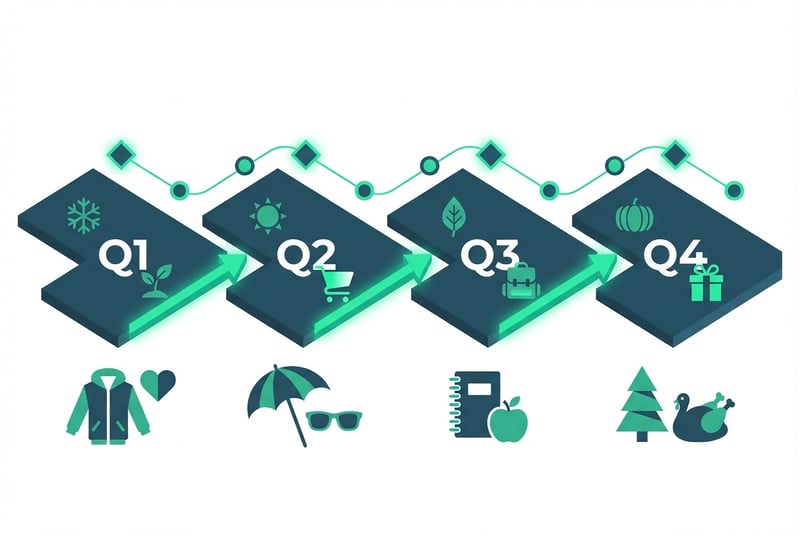
Confirmed Dates vs Estimated Dates
As of March 2026, Amazon has not announced exact dates for Prime Day 2026 or Prime Big Deal Days 2026. This calendar uses estimated timing based on Amazon's historical patterns. When Amazon publishes official dates and inventory cutoffs, update your planning accordingly.
Confirmed dates are marked with Confirmed. Estimated dates are marked with Estimated.
How to Use This Calendar for Inventory, Promotions, and PPC Planning
Read this calendar as a planning timeline, not a rigid rulebook. Your right send-in window depends on:
- Shipment type (parcel, LTL, ocean freight)
- Supplier origin (domestic, Asia, other international)
- Quantity and split-shipment requirements
- Amazon fulfillment center receiving capacity
- Product seasonality and your category demand curve
Use the windows below as starting points. Then add buffer time based on your supply chain realities.
The Biggest Amazon Seller Dates to Watch in 2026
Not every date on this calendar deserves equal weight. If you have limited inventory budget, tight cash flow, or a brand that can't support every event, focus here first:
Big Spring Sale Estimated
Estimated dates: Late March 2026
Historical context: Amazon ran Big Spring Sale 2025 from March 25-31.
Why it matters: Early-year deal event that drives demand in home, outdoor, lawn, beauty, and seasonal refresh categories. Sellers in those verticals should treat this as a meaningful Q1 planning milestone.
Prime Day Estimated
Estimated dates: Mid-July 2026
Historical context: Prime Day 2025 ran July 8-11 (96 hours). Amazon has not confirmed whether 2026 stays at four days or returns to a shorter format.
Why it matters: This is the biggest summer demand spike for most FBA brands. Inventory, promo, and PPC planning should start 10-12 weeks before estimated dates.
Back-to-School
Peak window: August 1 - September 5, 2026 Estimated
Why it matters: Brands in school, dorm, office, storage, and certain apparel categories use this as a warm-up period before Q4. It's also a bridge event that tests inventory velocity heading into fall.
Prime Big Deal Days Estimated
Estimated dates: Early October 2026
Historical context: Amazon ran Prime Big Deal Days 2025 on October 7-8.
Why it matters: This is Amazon's Q4 kickoff event. It drives early holiday shopping demand and creates a separate inventory pressure point before Black Friday and Cyber Monday. Sellers should not treat this as optional.
Black Friday and Cyber Monday Confirmed
Event dates: November 27-30, 2026
Why it matters: Peak Q4 demand window. Inventory, ad spend, and promotional strategy should be locked weeks in advance. This is the single biggest revenue window for most Amazon sellers.
Holiday Shipping Cutoff Season
Critical window: December 1-20, 2026 Estimated
Why it matters: Amazon's consumer shipping cutoffs and FBA inventory arrival deadlines compress into this window. Sellers who miss early December cutoffs risk stockouts during the final holiday shopping surge.
Q1 2026: Early-Year Events and Inventory Planning
New Year and Winter Carryover Demand
Planning window: January 1-31, 2026
Post-holiday returns, clearance strategy, and Q1 replenishment decisions. Many brands treat January as a recovery month, but categories tied to New Year resolutions (fitness, organization, health) see demand spikes.
FBA timing note: Inventory shipped in late December should arrive by early January. Parcel shipments typically take 7 days. LTL shipments can take 2-3 weeks depending on FC receiving capacity.
Valentine's Day Confirmed
Event date: February 14, 2026
Recommended FBA arrival window: Late January to early February
Brands in gifting, jewelry, beauty, and romance-adjacent categories should have inventory on hand by February 1. This is not a top-tier event for most sellers, but it matters in specific verticals.
Spring Planning and Early Replenishment Decisions
Planning window: February-March 2026
Suppliers ramping production for Q2 and summer demand. Sellers sourcing from Asia should place POs for Prime Day inventory during this window if lead times are 16+ weeks.
Q2 2026: Spring Events and the Prime Day Ramp
Big Spring Sale Estimated
Estimated event dates: Late March 2026
Recommended FBA arrival window: Early to mid-March
Brands in home, outdoor, lawn, beauty, and spring-refresh categories should plan inventory and promo strategy around this event. If you're not in a spring-seasonal vertical, you can skip this one.
Promo note: Amazon typically opens deal submissions 4-6 weeks before the event. Watch Seller Central for official announcements.
Mother's Day Confirmed
Event date: May 10, 2026
Recommended FBA arrival window: Mid to late April
Gifting-focused brands should have inventory on hand by late April. This is a smaller event than Prime Day or Q4, but it drives meaningful demand in specific categories.
Memorial Day Confirmed
Event date: May 26, 2026
Recommended FBA arrival window: Early May
Summer demand kickoff. Categories tied to outdoor, grilling, travel, and warm-weather products see increased velocity heading into June.
What Sellers Should Have Done by Late Q2
Prime Day prep checklist:
- Purchase orders placed for Prime Day inventory (if sourcing internationally)
- Deal submissions prepared or already submitted
- PPC campaigns planned and budget allocated
- Listing updates complete (titles, bullets, images, A+ content)
- Inventory forecasting updated based on Q1 performance
Q3 2026: Prime Day, Back-to-School, and Late-Summer Prep
Prime Day Prep Windows and FBA Timing Estimated
Estimated Prime Day dates: Mid-July 2026
Recommended inventory arrival windows:
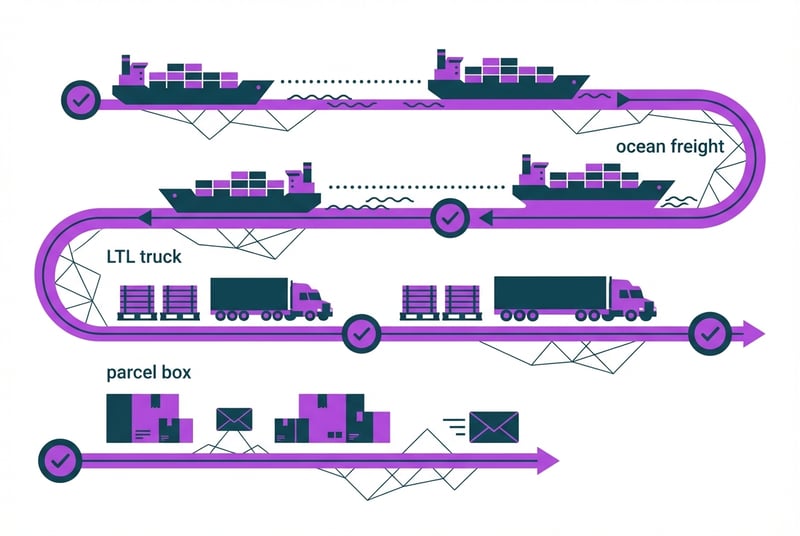
| Shipment Type | Ship By / Arrive By | Lead Time |
|---|---|---|
| Ocean freight from Asia | Ship by late April or early May | 12-14 weeks + buffer |
| LTL domestic | Arrive at Amazon by late June | 2-3 week receiving window |
| Parcel replenishment | Arrive by early July | 1 week receiving window |
What sellers should do:
- 10-12 weeks before estimated Prime Day: Finalize product selection, forecasting, and purchase orders.
- 7-9 weeks before: Ship inventory and submit Lightning Deals or Prime Day promo requests.
- 4-6 weeks before: Update listings (titles, bullets, images, A+ content), finalize PPC strategy, and confirm inventory arrival status.
- 3 weeks before: Promote and advertise. Monitor inbound shipment status daily.
Common mistake: Waiting for Amazon to announce exact Prime Day dates before placing inventory orders. By the time Amazon confirms dates, it's often too late for sellers with long supply chains.
Back-to-School Demand Patterns
Peak window: August 1 - September 5, 2026 Estimated
Recommended FBA arrival window: Mid to late July
School, dorm, office, storage, organization, and certain apparel categories see increased demand during this window. Brands outside these verticals can treat this as a quiet period before Q4.
Planning note: Back-to-School is not just about school supplies. Parents also buy electronics, furniture, clothing, and personal care products during this window.
Labor Day as a Transition Event Confirmed
Event date: September 1, 2026
Labor Day marks the unofficial end of summer and the start of fall demand. Many sellers use this as a bridge into Q4 planning.
What Sellers Should Do by Late Q3
- Confirm Q4 inventory orders are placed
- Start planning Prime Big Deal Days and Black Friday promo strategy
- Review Q3 performance and adjust Q4 forecasts
- Prepare for the most intense inventory and advertising planning period of the year
Q4 2026: Prime Big Deal Days, Black Friday, Cyber Monday, and Holiday Readiness
Prime Big Deal Days Estimated
Estimated dates: Early October 2026
Historical context: Amazon ran this event on October 7-8 in 2025.
Recommended FBA arrival window: Mid to late September
This is not a skippable event. Prime Big Deal Days is Amazon's Q4 kickoff and drives meaningful early holiday shopping demand. Sellers who treat this as optional miss a revenue window and lose ranking momentum heading into Black Friday.
Inventory planning note: Sellers with limited inventory should decide whether Prime Big Deal Days is worth discount depth and unit allocation, or whether they should save margin and stock for late November. There is no universal right answer. It depends on your cash position, margin structure, and category velocity.
Promo submission timing: Amazon typically opens deal submissions 4-6 weeks before the event. Watch Seller Central for official deadlines.
Black Friday and Cyber Monday Confirmed
Event dates: November 27-30, 2026
Recommended FBA arrival windows:
| Shipment Type | Ship By / Arrive By | Lead Time |
|---|---|---|
| Ocean freight from Asia | Ship by mid-August | 12-14 weeks + buffer |
| LTL domestic | Arrive by late October or early November | 2-3 week receiving window |
| Parcel replenishment | Arrive by mid-November | 1 week receiving window |
This is the peak Q4 demand window. Inventory, ad spend, promotional strategy, and listing updates should be locked weeks in advance. Sellers who run out of stock during Black Friday weekend lose ranking, lose Buy Box share, and watch competitors capture demand that doesn't come back.
Common planning mistakes:
- Treating Black Friday as a single-day event instead of a multi-day shopping period
- Underestimating inventory needs based on average daily sales instead of peak-day sales
- Waiting until October to place inventory orders
- Not building buffer time into receiving windows
Holiday Shipping and Inventory Risk Management
Critical planning window: December 1-20, 2026 Estimated
Amazon's consumer shipping cutoffs, FBA inventory arrival deadlines, and final replenishment windows compress into this period.
Seller action steps:
- Monitor inventory velocity daily during December
- Plan final replenishment shipments for early December arrival
- Adjust PPC spend based on remaining inventory
- Prepare for post-holiday returns and Q1 clearance strategy
Peak fulfillment fee window: Amazon typically charges peak fulfillment fees from mid-October through mid-January. Budget for higher per-unit fees during this period.
How Early Should You Send Inventory to Amazon?
There is no universal send-in date that works for every seller. The right timeline depends on shipment type, supplier origin, quantity, and Amazon fulfillment center receiving capacity.
Parcel vs LTL vs Ocean Freight Timing Caveats
| Shipment Type | Typical Receiving Time | Best For |
|---|---|---|
| Parcel | 7 days from shipment to available inventory | Small replenishment orders, fast-moving SKUs, domestic suppliers |
| LTL (Less-Than-Truckload) | 2-3 weeks, sometimes longer during peak Q4 | Mid-size inventory, palletized quantities |
| Ocean freight from Asia | 12-14 weeks (PO to FC arrival, including production, transit, customs, drayage) | Large inventory orders, long production cycles |
Planning note: These timelines are averages. Amazon fulfillment center receiving capacity varies by location, time of year, and shipment volume. During peak Q4, receiving times can stretch longer. Always add buffer time.
Why Sellers Should Build Buffer Time into Every Major Event
Amazon does not guarantee receiving timelines. Fulfillment centers can experience:
- Capacity constraints during peak seasons
- Delayed check-in for split shipments
- Longer processing times for certain product types
- Unexpected disruptions (weather, staffing, system issues)
Smart sellers plan inventory arrival 1-2 weeks earlier than Amazon's suggested cutoffs. That buffer time protects against ranking drops, stockouts, and lost revenue during high-demand windows.
Common Planning Mistakes FBA Sellers Make
Waiting for Amazon to Announce Dates Before Acting
Amazon often announces Prime Day, Prime Big Deal Days, and holiday cutoffs with only a few weeks of notice. Sellers who wait for official announcements before placing inventory orders end up scrambling, paying for expedited shipping, or missing events entirely.
Better approach: Plan around estimated timing based on historical patterns. Adjust when Amazon confirms dates, but don't wait to act.
Treating All Events as Equal
Not every date on this calendar deserves the same inventory, promo, and PPC investment. Prime Day, Prime Big Deal Days, and Black Friday/Cyber Monday drive the most demand for most sellers. Valentine's Day, Mother's Day, and Memorial Day matter in specific categories but are not universal priority events.
Better approach: Rank events by revenue potential for your brand. Allocate inventory and ad spend accordingly.
Missing the Ad and Inventory Ramp Before Q4
Many sellers treat Q4 as a September or October planning exercise. That's too late. Ocean freight inventory for Black Friday should ship by mid-August. PPC campaigns should ramp in September. Deal submissions should go in weeks before events start.
Better approach: Build Q4 inventory and advertising plans in Q2 and Q3. By the time September arrives, execution should be underway.

FAQ
When is Amazon Prime Day 2026?
Amazon has not announced official Prime Day 2026 dates as of March 2026. Based on historical patterns, Prime Day typically occurs in mid-July. Amazon ran Prime Day 2025 from July 8-11. Expect a similar window in 2026, but wait for Amazon's official announcement before finalizing promo and inventory plans.
When should I send inventory for Prime Day?
It depends on your shipment type and supplier origin. Ocean freight from Asia should ship by late April or early May (12-14 week lead time + buffer). LTL domestic shipments should arrive at Amazon by late June (2-3 week receiving window). Parcel replenishment should arrive by early July (1 week receiving window). Add extra buffer time if you're shipping into multiple fulfillment centers.
What is Prime Big Deal Days?
Prime Big Deal Days is Amazon's early Q4 deal event, typically held in early October. Amazon introduced this event in 2023 as a Q4 kickoff and holiday shopping warm-up. It drives meaningful demand and creates a separate inventory pressure point before Black Friday and Cyber Monday. Sellers should not treat this as optional.
Which 2026 dates matter most for Amazon sellers?
For most FBA brands, the top priority events are Prime Day (estimated mid-July), Prime Big Deal Days (estimated early October), and Black Friday and Cyber Monday (November 27-30). Back-to-School matters for school, dorm, and office-adjacent categories. Big Spring Sale matters for home, outdoor, and seasonal categories. Other retail holidays matter in gifting-focused verticals but are not universal priority events.
How early should sellers prepare for Black Friday and Cyber Monday on Amazon?
Ocean freight inventory should ship by mid-August. LTL domestic shipments should arrive by late October or early November. Promo submissions typically open 6-8 weeks before the event. PPC campaigns should ramp in September and October. By the time November arrives, execution should be underway.
Need Help Planning Inventory and Amazon Growth?
Inventory timing, forecasting, and event planning are just part of what it takes to grow on Amazon. SupplyKick helps FBA brands and Seller Central accounts build smarter inventory strategies, stronger advertising performance, and scalable operations that work across Prime Day, Q4, and the full yearly calendar.
Whether you need help with inventory forecasting, logistics and supply chain management, or full-service Amazon agency support, we work as an extension of your team.
Connect with SupplyKick



/Logos/SupplyKick/SupplyKick-Logo_White.svg "SupplyKick-Logo_White")