/Logos/SupplyKick_Logo.svg "SupplyKick_Logo")


Scrolling through Amazon as a seller, you’ve likely encountered the phrase What is an Amazon PPC?—but what does it really mean for your business, and why is it a cornerstone of so many successful Amazon strategies? Whether you’re just starting out or looking to refine your approach, understanding Amazon PPC is key to unlocking greater visibility and sales. In this straightforward beginner’s guide, we’ll clarify what Amazon PPC is, explain how it operates, and share actionable insights from a team managing over $200M in Amazon sales with a 60% average conversion rate increase for our partners. For a deeper dive into campaign management, see our Amazon PPC management guide, or explore our Amazon Advertising pillar page for the full picture.
What is Amazon PPC and how does it work?
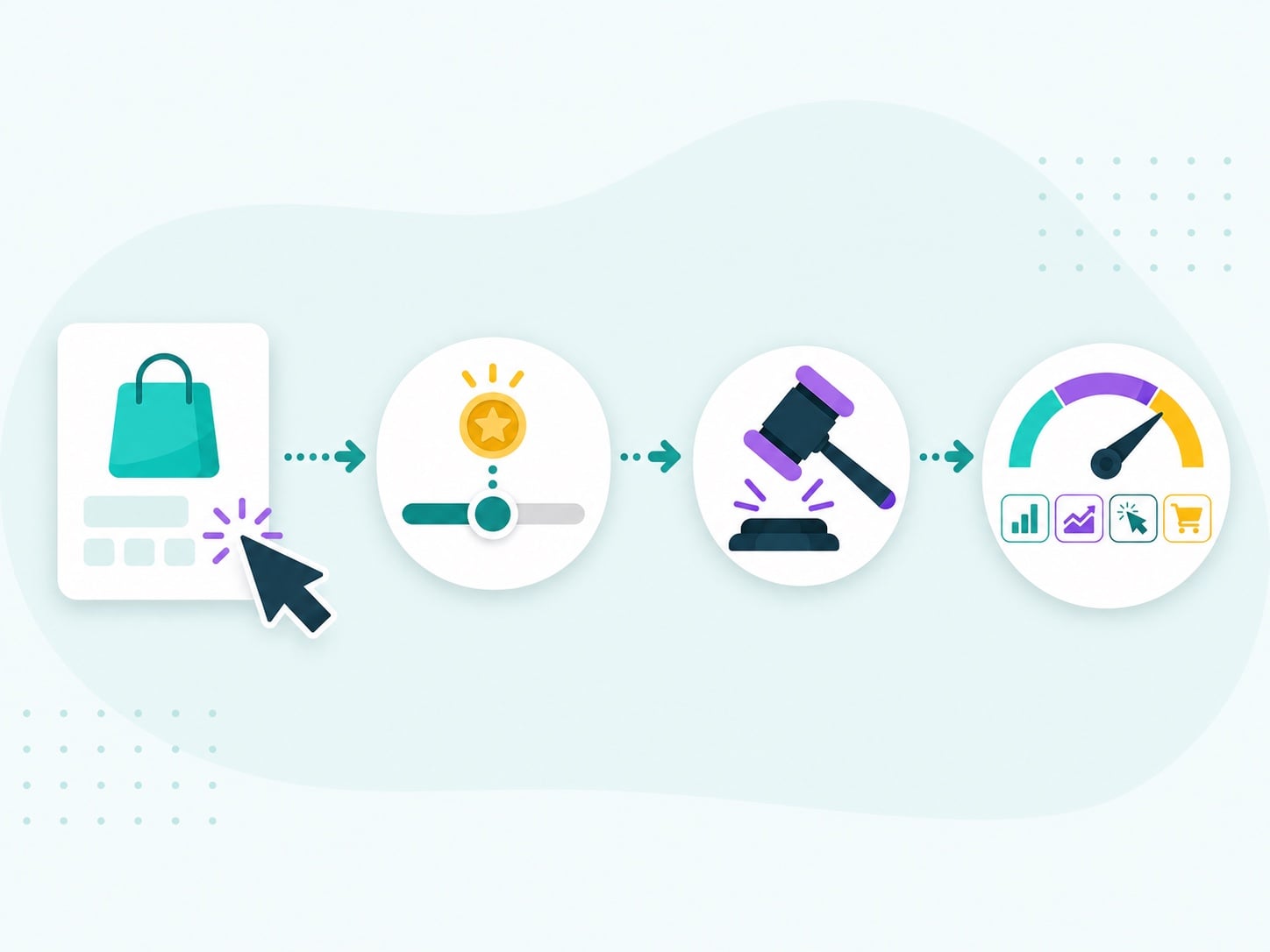
Let’s start with the basics: Amazon PPC (Pay-Per-Click) is Amazon’s advertising system that lets sellers and brands promote their products directly within Amazon’s search results and product pages. You only pay when a shopper clicks your ad—hence, “pay‑per‑click.” So, What is an Amazon PPC and how does it work? In practical terms, it’s a real-time auction: every time a shopper searches for a product, Amazon runs a lightning‑fast auction behind the scenes. Sellers bid on keywords or audience segments, and the highest‑quality, most relevant ads win the most visible placements.
Here’s how the process unfolds:
- You choose which products to advertise and which keywords or audiences to target.
- You set a maximum bid—the most you’re willing to pay for a click.
- When a shopper searches for a relevant term, Amazon’s algorithm determines which ads show based on bid amount, ad quality, and relevance.
- If a shopper clicks your ad, you pay—never more than your max bid.
SupplyKick is a verified Amazon Advertising Partner Network member with exclusive Amazon Ads API access. That means we’re plugged directly into the latest Amazon ad tech, giving our clients an edge in campaign performance, reporting, and strategic insights.
What sets top‑performing Amazon PPC campaigns apart is the ability to leverage advanced tools and data‑driven strategies that go beyond manual bid adjustments. AI‑powered account management, for example, can analyze campaign performance 24/7, automatically surfacing new keyword opportunities, flagging underperforming ads, and optimizing budgets in real time. This proactive approach not only saves time but also ensures your campaigns are always aligned with shifting marketplace trends and seasonality, which is critical for maintaining a competitive edge.
For more on the broader mechanics of Amazon’s advertising platform, see How does Amazon advertising work?.
How to start Amazon PPC
Launching your first Amazon PPC campaign doesn’t have to be intimidating. Here’s a step‑by‑step guide for beginners:
- Choose your campaign type: Start with Sponsored Products for the most direct sales impact.
- Set your budget: Decide how much you’re comfortable spending per day or per campaign.
- Select your products: Pick your highest‑potential SKUs—focus on bestsellers or new launches.
- Target your ads: Use Amazon’s keyword or product targeting tools. Research what your ideal customers are searching for.
- Write compelling ad copy: Even simple ads benefit from clear, benefit‑driven product titles and images.
- Launch and monitor: Go live, then check your data daily for impressions, clicks, and sales.
The most critical step? Choosing the right keywords and targeting options. This is where many brands struggle, leading to wasted spend or missed opportunities. That’s why brands often hire specialists like SupplyKick—to avoid costly missteps and maximize ROI from day one. For a closer look at how we help brands build high‑performing campaigns, visit our Amazon PPC Agency page.
Brands that want to maintain control over their accounts while benefiting from expert guidance can opt for an agency partnership model that acts as an extension of their team. This approach provides access to advanced campaign management and strategic oversight without relinquishing ownership of your Seller Central or Vendor Central account. For brands seeking a more hands‑off solution, a wholesale partnership model is also available, where the agency purchases and manages inventory directly, streamlining operations and reducing administrative burden.
If you’re curious about the costs involved, check out How much does Amazon PPC cost?.
How does Amazon PPC bidding work, and what strategies can help optimize bid amounts?
Amazon’s PPC auction is dynamic—meaning your actual cost per click is determined by the competition and relevance, not just your max bid. Here’s how the system works:
- You set your max bid for each keyword or target.
- Amazon ranks ads based on bid and ad quality (including relevance and historical performance).
- You pay only what’s needed to beat the next‑highest bidder, not your full max bid.
To optimize your bids and learn how to earn from Amazon PPC instead of just spending, consider these strategies:
- Start with conservative bids and ramp up as you see what converts.
- Use negative keywords to filter out irrelevant searches and reduce wasted spend.
- Regularly review your campaign data—adjust bids up for high‑converting keywords, and down or off for poor performers.
- Set daily and campaign‑level budgets to control costs.
Understanding these mechanics is the difference between running profitable ads and simply adding to Amazon’s bottom line.
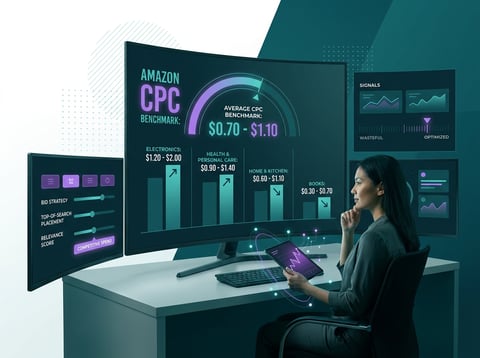
AI‑driven bidding strategies can further enhance performance by automatically adjusting bids based on real‑time data, competitor activity, and evolving shopper intent. Intelligent agents can monitor campaign health around the clock, identifying suppressed listings, monitoring for listing hijacks, and raising cases proactively to protect your ad investments. This level of automation not only increases efficiency but also helps brands stay ahead of compliance challenges and minimize disruptions to ad delivery. According to CETA Insights, Amazon US Average CPC rose to $1.15 in 2026 with mature product ACoS around 18–22% (cetainternational.com).
For additional strategies to improve your ad performance, see What are some proven strategies to optimize my Amazon Ads campaigns for better ROI?.
How do Sponsored Products, Sponsored Brands, and Sponsored Display ads differ within Amazon PPC?
Amazon PPC isn’t one‑size‑fits‑all. There are three core ad types, each with unique strengths:
- Sponsored Products: Appear in search results and product detail pages. Best for driving direct sales of specific items. Example: A supplement brand promotes its top‑selling vitamin directly in search results for “immune support.”
- Sponsored Brands: Feature your logo, a custom headline, and multiple products. These ads appear at the top of search results and help boost brand awareness. Example: A pet food company highlights its full product range with a branded banner on searches for “grain‑free dog food.”
- Sponsored Display: Target shoppers both on and off Amazon, using audience data to re‑engage previous visitors or reach new audiences. Example: A home goods brand retargets shoppers who viewed its kitchen organizers.
When should you use each? Sponsored Products are your go‑to for immediate sales; Sponsored Brands build recognition and cross‑sell; Sponsored Display expands reach and supports retargeting. SupplyKick manages over $200M in Amazon sales and delivers a 60% average conversion rate increase by deploying the right mix for each client. For more on campaign types and strategies, see our Amazon Ads Strategy resource.
To learn more about Sponsored Display specifically, visit What is sponsored display in Amazon ads?.
To maximize the impact of each ad type, it’s important to integrate cross‑account insights and best‑practice patterns gleaned from managing multiple brands. This approach uncovers trends in shopper behavior, optimal ad placements, and seasonal performance shifts, allowing for more precise targeting and creative optimization. Brands that leverage these insights consistently outperform competitors who rely solely on isolated campaign data.
How to measure Amazon PPC effectiveness and determine if it’s worth it
The real question isn’t just “what is an Amazon PPC?”—it’s is Amazon PPC worth it? To answer, you need to track the right metrics:
- ACoS (Advertising Cost of Sale): Ad spend divided by sales from ads. Lower is better.
- ROAS (Return on Ad Spend): Revenue generated per dollar spent on ads. Higher is better.
- CTR (Click‑Through Rate): Percentage of impressions that result in clicks.
- Conversion Rate: Percentage of ad clicks that result in a sale.
How to earn from Amazon PPC? Focus on campaigns and keywords that deliver profitable sales, not just clicks or impressions. If your ACoS is below your profit margin and your ROAS is strong, PPC is working for you. Industry benchmarks show average ACoS sits around 30% in 2026, with top sellers achieving 23–26% (keywords.am).
So, is Amazon PPC worth it? For most brands, yes—if managed with expertise and a focus on measurable outcomes. But it’s not “set and forget.” For more on maximizing results, explore Amazon Advertising, our Amazon PPC Management solutions, and SupplyKick’s advertising services.
Real‑time dashboards and proactive alerts are essential for effective campaign monitoring. They empower decision‑makers to quickly identify shifts in performance, adjust strategies, and capitalize on new opportunities as they arise. This level of visibility builds confidence and ensures that every advertising dollar is working as hard as possible to drive growth.
If you’re weighing the value of advertising on Amazon, see Is it worth it to advertise on Amazon?.
Why expert management matters for Amazon PPC success
Here’s the truth: brands that consistently win on Amazon rarely go it alone with PPC. The platform’s complexity, competition, and constant algorithm updates make DIY approaches risky and expensive. That’s why expert management—like the kind SupplyKick provides—matters.
With exclusive Amazon Ads API access, verified Amazon Advertising Partner Network status, and a proven track record of driving a 60% average conversion rate increase, SupplyKick helps brands unlock the full potential of their Amazon PPC investment. We act as an extension of your team, giving you control, transparency, and proactive growth.
A collaborative partnership model fosters long‑term success by aligning agency expertise with your brand’s goals, while proactive compliance and brand protection measures—such as listing hijack monitoring and automated case management—safeguard your investments and reputation. With a 96% partner retention rate and 99% positive lifecycle feedback, our approach is built to deliver measurable results and peace of mind.
Want to see what Amazon PPC could do for your brand? Let's talk.
Unlock the full potential of your brand with Amazon Advertising and stay ahead in the competitive e‑commerce landscape. Ready to boost your visibility and drive more sales? Start your Amazon Advertising journey today by exploring our expert tips and resources—your next big breakthrough is just a click away!



/Logos/SupplyKick/SupplyKick-Logo_White.svg "SupplyKick-Logo_White")