/Logos/SupplyKick_Logo.svg "SupplyKick_Logo")


Imagine a retail universe where millions of products move seamlessly from warehouse to doorstep, powered by a system so advanced that it’s become the benchmark for e-commerce operations worldwide. That’s the reality behind Amazon’s inventory management engine. If you’ve ever wondered what type of inventory management system does Amazon use?, you’re not just asking a technical question—you’re uncovering the operational playbook that brands need to master to compete in the Amazon marketplace. In this article, we’ll break down Amazon’s system architecture, show how it integrates with fulfillment, and explain what sellers can learn from Amazon’s approach. We’ll also link to key resources on Amazon supply chain management and the broader Amazon Inventory Management pillar to give you a complete picture.
What are the 4 types of inventory management systems and how does Amazon’s approach fit in?
To truly understand Amazon’s system, it helps to start with the four main types of inventory management systems:
- Manual systems: Inventory tracked by hand, spreadsheets, or simple logbooks. Labor-intensive and error-prone.
- Periodic systems: Inventory counted at set intervals (weekly, monthly) and updated in batches—common in smaller stores.
- Perpetual systems: Inventory is tracked in real time, automatically updating as items are received, moved, or shipped.
- Just-in-time (JIT) systems: Inventory is replenished only as needed, minimizing on-hand stock and waste.
Amazon’s inventory management approach is fundamentally perpetual, but it’s far more advanced than a typical real-time system. The company’s proprietary architecture combines perpetual tracking with automation, robotics, and predictive analytics—enabling instant visibility across a vast, distributed network. While you might find references to “what type of inventory management system does amazon use pdf” or “what type of inventory management system does amazon use 2021” in research, the real differentiator is Amazon’s deep integration of system architecture, not just software features.
For brands operating on Amazon, the shift from manual or periodic methods to a perpetual, data-driven approach is essential for marketplace success. Emulating Amazon’s perpetual model, brands can leverage automated inventory tracking to reduce errors, improve stock accuracy, and react swiftly to changes in demand. This is especially critical for maintaining Buy Box eligibility and avoiding costly stockouts or overstock scenarios that can erode margins and impact account health.
For a broader look at how Amazon’s overall strategy shapes these systems, see What is Amazon's inventory management strategy?.
What type of inventory management system does Amazon use?
Amazon relies on a proprietary, purpose-built warehouse management system (WMS) that is the backbone of its fulfillment empire. This system isn’t available off the shelf—it’s custom-engineered to handle the unique challenges of Amazon’s scale, integrating:
- Automated robotics for picking and sorting
- Real-time data feeds from every fulfillment center
- Machine learning algorithms for demand forecasting and inventory placement
This WMS is designed for seamless integration with Amazon’s global fulfillment network, supporting everything from FBA to Vendor Central. For sellers and brands, understanding how Amazon’s system works is crucial. At SupplyKick, we’ve seen firsthand how aligning with Amazon’s operational logic—such as proactive restock planning and listing health monitoring—can drive measurable results. If you’re searching for “what type of inventory management system does amazon use 2021” or “what type of inventory management system does amazon use pdf,” know that the answer goes far beyond standard inventory software.
Brands that want to compete at Amazon’s level are increasingly turning to AI-powered solutions that mirror the sophistication of Amazon’s own systems. For example, 24/7 intelligent agents can monitor inventory movement, flag anomalies, and surface actionable insights in real time—empowering brands to make proactive decisions, even outside standard business hours. This level of automation and intelligence is now table stakes for brands seeking to scale efficiently and avoid costly disruptions.
For a deeper dive into the technology platforms behind Amazon’s system, check out What software does Amazon use for inventory management?.
What technologies or software platforms does Amazon leverage to track and manage real-time inventory across its global network?
Amazon’s perpetual inventory system is powered by a constellation of advanced technologies, including:
- Robotics and automated guided vehicles (AGVs) for product movement and picking
- IoT sensors that track inventory location and status in real time
- Machine learning algorithms that predict demand and optimize stock levels
- Proprietary software platforms that connect every node in the supply chain
These tools enable Amazon to maintain near-perfect visibility and control, even as inventory moves across continents. Real-time dashboards, predictive alerts, and automated compliance checks are all part of the ecosystem. For a deeper dive into the specific software stack, check out our What software does Amazon use for inventory management? blog post. You’ll see that “what type of inventory management system does amazon use pdf” queries often miss the bigger picture: it’s about the system’s architecture and integration, not just the user interface.
For brands selling on Amazon, leveraging similar technology stacks—such as AI-driven reporting agents and compliance monitoring tools—can dramatically accelerate response times and improve operational agility. These platforms not only surface opportunities for inventory optimization but also automate essential tasks like listing hijack detection and case management, reducing manual workload and minimizing risk.
If you’re interested in how these systems fit into the broader logistics landscape, see Amazon supply chain management.
How does Amazon’s inventory management system integrate with its fulfillment centers to optimize order processing and delivery speed?
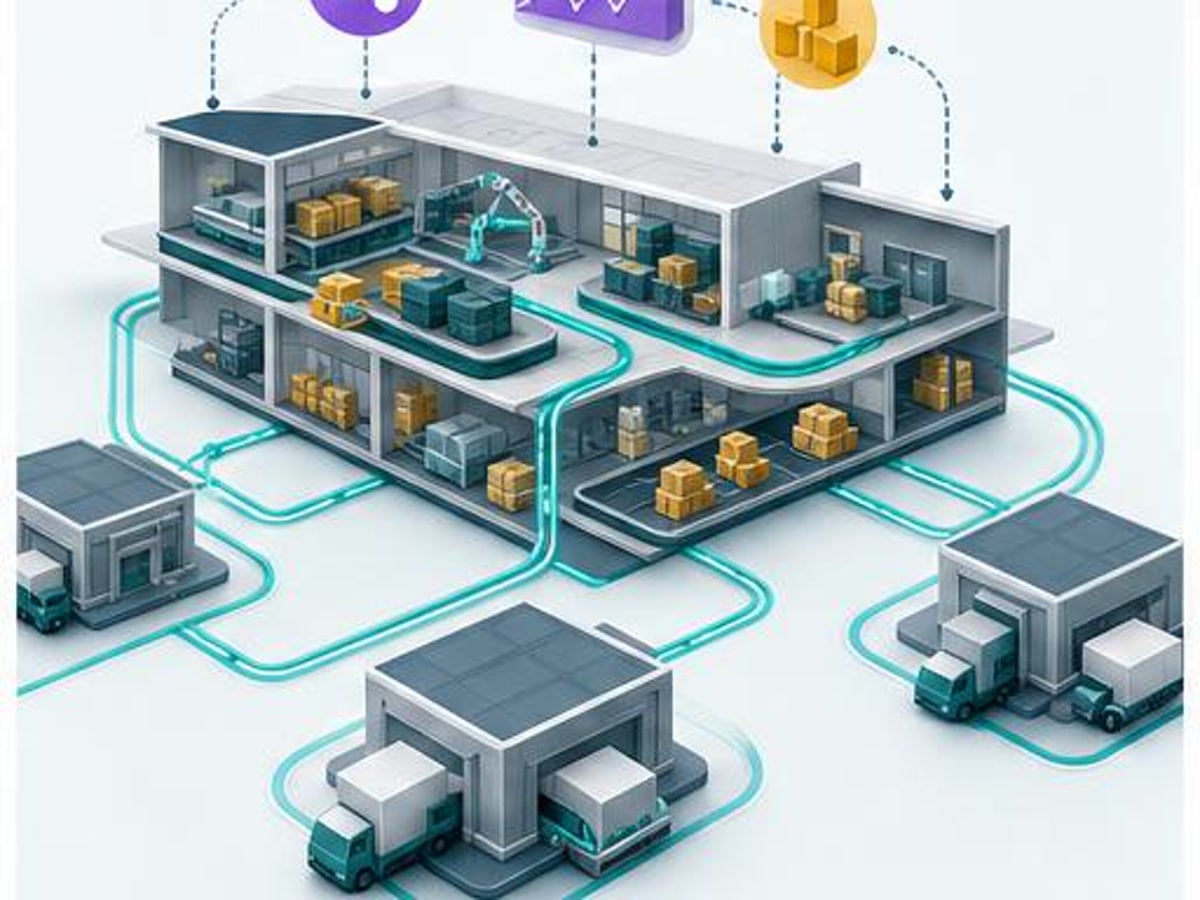
The real magic happens in the tight integration between Amazon’s WMS and its vast network of fulfillment centers. Here’s how it works:
- Real-time data from every warehouse feeds into a central system, instantly updating inventory counts and locations.
- Automation and robotics streamline picking, packing, and shipping—reducing human error and speeding up order processing.
- Predictive analytics position inventory closer to likely buyers, slashing delivery times and boosting Buy Box performance.
This integration is why Amazon can promise—and deliver—same-day or next-day delivery at scale. For brands, the lesson is clear: real-time visibility and automation drive both efficiency and customer satisfaction. Amazon’s inventory system is built for Amazon’s scale. SupplyKick brings that same systems-thinking to managing inventory for your brand—let’s talk.
A key aspect of this integration is the ability to maintain proactive compliance and brand protection at every stage. Automated systems can monitor for listing hijacks, suppressed listings, and other threats, raising cases instantly and ensuring your products remain available and protected. This not only safeguards revenue but also preserves your brand’s reputation and Buy Box status, which are critical for sustained marketplace growth.
For more on how fulfillment processes work, you may want to read How does Amazon FBA work.
Where does Amazon keep their products? An overview of Amazon’s fulfillment center network
Amazon’s products are stored in a global network of fulfillment centers—massive warehouses strategically located near major markets. These centers use advanced storage systems, including:
- Multi-level shelving and robotics-assisted aisles
- Zoned storage for different product types and turnover rates
- Real-time inventory tracking linked directly to the digital WMS
Physical products are mapped to digital inventory records, ensuring accuracy and rapid fulfillment. To learn more about the underlying systems, visit our Amazon warehouse management system and Amazon supply chain management sub-pillars. When you ask “where does Amazon keep their products,” the answer is: everywhere—connected by a single, unified inventory system.
For brands navigating this ecosystem, the option to partner under a wholesale model—where inventory is purchased and managed by a specialized agency—can streamline logistics, reduce operational complexity, and help ensure products are always positioned optimally within Amazon’s fulfillment network. This approach allows brands to focus on growth and innovation while experts handle the day-to-day intricacies of inventory movement and compliance.
How does Amazon’s inventory management approach handle seasonal demand fluctuations and unexpected supply chain disruptions?
Amazon’s system is built for resilience. During peak seasons or supply chain disruptions, it leverages:
- Predictive analytics to anticipate demand spikes and adjust inventory placement
- Machine learning to optimize restock timing and quantities
- Flexible fulfillment strategies, including rerouting orders and dynamic allocation
This approach ensures inventory accuracy and fulfillment speed even when the unexpected happens. From the seller side, SupplyKick’s operational experience shows that aligning with Amazon’s proactive, data-driven methods can help brands avoid stockouts, manage restock limits, and maintain account health. If you’re wondering, “what type of inventory management system does amazon use 2021,” know that adaptability is built into every layer of Amazon’s architecture.
Brands that adopt similar predictive and flexible strategies often see measurable improvements in conversion rates and partner retention. By using intelligent agents to monitor sales velocity, restock limits, and account health in real time, brands can quickly pivot to meet surges in demand or mitigate disruptions—delivering a more consistent customer experience and protecting long-term channel performance.
How does Amazon’s warehouse management system compare to Walmart’s?
Amazon and Walmart are both retail giants, but their warehouse management systems reflect different priorities and strategies:
- Amazon: Uses a proprietary, highly automated WMS designed for e-commerce scale, integrating robotics, real-time data, and predictive analytics.
- Walmart: Employs a mix of third-party and custom solutions, with a focus on omnichannel fulfillment and integration with brick-and-mortar operations.
If you’re comparing “what warehouse management system does Walmart use” to Amazon’s approach, the main differences are in scale, technology adoption, and system integration. For sellers, the key takeaway is that while Amazon’s system isn’t directly accessible, understanding its principles can inform your own inventory strategy. Explore more on our Amazon Inventory Management pillar, and see how SupplyKick applies these best practices for brands.
---
Mastering Amazon inventory management is key to maximizing your sales and minimizing costly stockouts or overstock. Ready to take your Amazon business to the next level? Download our free inventory management checklist today and start optimizing your operations for success!
Related reading




/Logos/SupplyKick/SupplyKick-Logo_White.svg "SupplyKick-Logo_White")