CEO and co-founder, SupplyKick. Information checked November 1, 2026.
I think being able to send a few pallets at a time is pretty crazy. I said in September it felt like a whole new supply chain. We’re using Amazon GWD for our own brands, Case Elegance and Kitchen Edge, and I don’t have to wait until we can fill a container to send more of what we need.
Say you need more of one humidor but you don’t need more of everything else. Do you wait for other products or ship things you don’t need to fill space? I’d rather just send that humidor. I don’t want too much of one and not enough of another.
I’ve written recently about Amazon Ads Agent, DVA+ and Review Requests and I want to test what those can do. But if we’re going to spend more getting people to buy, we need something for them to buy. Not something sitting in China.
What are we actually using?
We’re using Global Warehousing and Distribution, or GWD. We send eligible products to Amazon in China and hold them there until we need more in America and then we ask Amazon to ship them into its fulfillment centers. I still need to check whether a product qualifies before we send it.
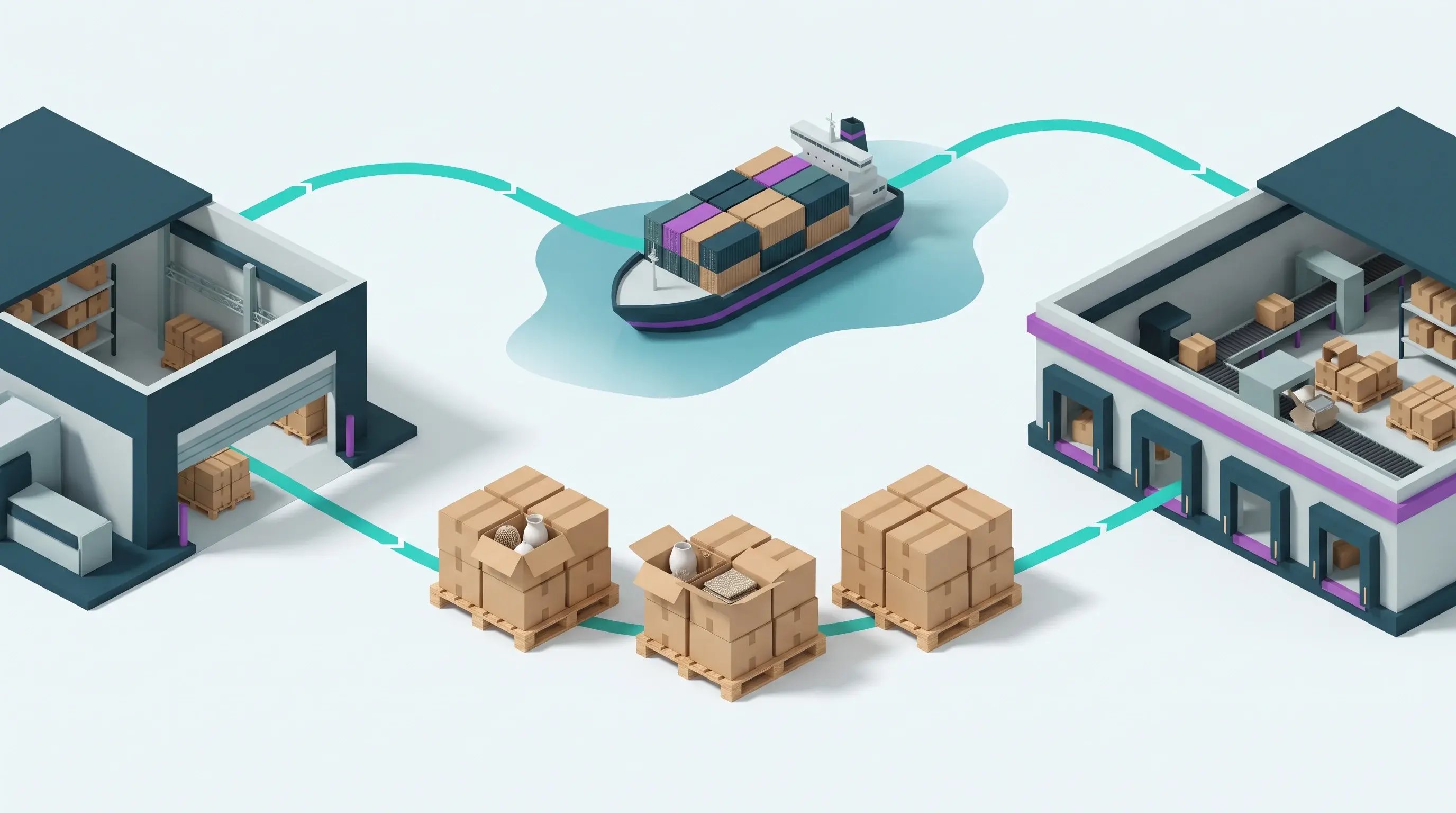
It’s still ocean freight and your goods still travel in containers. You just don’t have to fill one yourself every time you need more.
Amazon has a ton of names for this stuff. AGL (Amazon Global Logistics) is how it moves our goods internationally. GWD is where we hold them in China. With U.S. AWD (Amazon Warehousing and Distribution) they’re already in America and we’re holding them here before sending more into Fulfillment by Amazon, or FBA. You need to know which one you’re looking at.
Before I spend more on ads I want to know where our goods actually are and whether we can sell them yet. If they’re still in China I need to know whether we’ve requested a shipment. I can’t use a domestic delivery estimate just because Amazon already has them. I need a date when we expect them to be ready and a plan if they’re late.
What I like about this GWD route is we don’t have to receive everything at a separate U.S. warehouse and then arrange another shipment to Amazon. That’s one less warehouse stop for us to manage. Customs and Amazon receiving still happen.
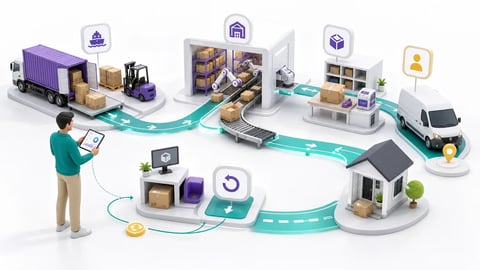
From our supplier to a customer
Here’s how we’re doing it:
- Check that your SKUs can use GWD before you send them. Our supplier’s factory packs and labels cartons and sends them to China GWD and then we wait for check-in. I don’t count them as ready just because they’ve been delivered.
- Request an onward shipment to FBA when your stock is available. Our team has been doing this manually. Amazon offers automatic replenishment too, but I wouldn’t tell you we’ve got this running unattended.
- Get your shipping instructions and commercial paperwork done, including customs information and any inspection documents your products need. Then Amazon moves your goods through AGL and into FBA in America. You still have paperwork to do!
- Wait for FBA to receive and check in your goods so they’re sellable. That’s when I can count on someone being able to buy. Not when a boat arrives.
For Kitchen Edge we’d completed two deliveries to China GWD by August 28, 2026. By September we were talking about sending more each week and on October 25 we completed two GWD-to-FBA transfers.
Case Elegance was part of our September rollout too. We had problems with receiving and onward replenishment requests in October and I couldn’t count inventory in China as ready for customers. Stock showed as received but wasn’t appearing in our inventory reports and API. We also confused China GWD stock with U.S. AWD stock so we were forecasting too early. I’d want you to keep those counts separate. Otherwise you’re planning around goods that are weeks farther away than you think.
A few things I’d check before sending anything
I’d start with whether you can actually use it. Amazon told us in October we could send some products straight to FBA, but battery-related tags still kept them out of AWD/GWD. Just because you can sell it through FBA doesn’t mean you can send it through GWD.
I’d also look hard at how your supplier packs cartons. In October we had a quote go from about $22k to $13k after we changed quantities to five or more cartons per SKU and got a placement fee waived. Pretty big difference.
We changed how much we were sending, and it’s a quote. Did we save that much against a full container? I can’t tell you that without comparing final bills for a matching shipment. I’m also not saying you always have to send five cartons. Check what your account allows and what it’ll cost you.
If I want 100 units and we’re packing 20 per carton, five cartons works. But if we’re packing 100 per carton and I send five to get a fee waived, I’ve sent 500 units. I’d get that sorted with our supplier before booking anything.
We also had inspection certificates for wood and bamboo products about to expire in October and we were being pushed to book shipments before that happened. I want to leave goods in China until we need them, so having to ship early is a pretty big problem. Find out when yours expire and whether you can renew them after goods leave your supplier’s factory. Don’t assume you can.
I’d allow time for receiving too. In October we were planning around about six weeks from GWD toward FBA to be safe but I wouldn’t promise you that date. I also can’t tell you we’ve reduced stockouts or how much cash we’ve freed up because I don’t have those measurements yet. We’ve already paid for that inventory.
We’re keeping containers to Indiana and AGL through U.S. AWD too. We weren’t exclusively shipping full containers before GWD either. And we’ve discussed testing AGL direct to FBA again if paperwork or costs make it a better fit.
I want to send smaller shipments more often for Case Elegance and Kitchen Edge without another warehouse stop here. We’ll keep tracking each batch from our supplier’s factory to the moment it’s sellable and I’ll share what the real numbers look like once we have them.
If you’re a SupplyKick client, ask your account team whether GWD makes sense for your products. Not working with us yet? Book a time with me and we’ll look at whether it fits your supply chain.